Do Helmets Prevent Concussions? What Studies Show
The Short Version: Bicycle helmets reduce the risk of head injury but do not guarantee concussion prevention. They are designed primarily to prevent skull fractures and severe brain trauma by absorbing linear impact energy. Concussions, however, often result from rotational forces that standard helmet testing does not measure.
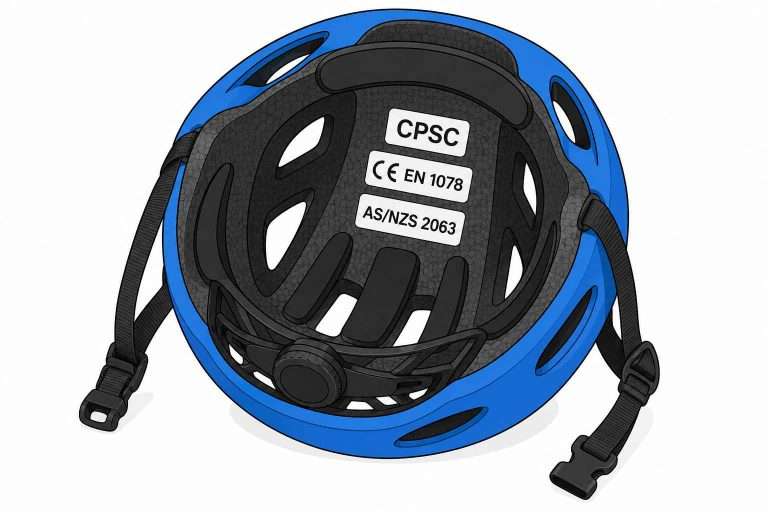
Current certification standards like CPSC and EN 1078 only test straight-on impacts, not the angled hits common in real-world crashes. Technologies such as MIPS and WaveCel add rotational-force protection, and Virginia Tech’s STAR rating system evaluates helmets based on their ability to reduce impact forces and associated concussion risk.
Ask most people whether helmets prevent concussions and you’ll get a confident yes. It makes sense. There’s a hard shell, there’s a layer of EPS foam (the white stuff your takeout container is made from), and there’s your head. Of course it prevents concussions. Right?
Not exactly. A bike helmet is very good at one thing and limited at another, and the difference between the two is worth understanding. Let’s take a look.
So, Do Helmets Prevent Concussions?
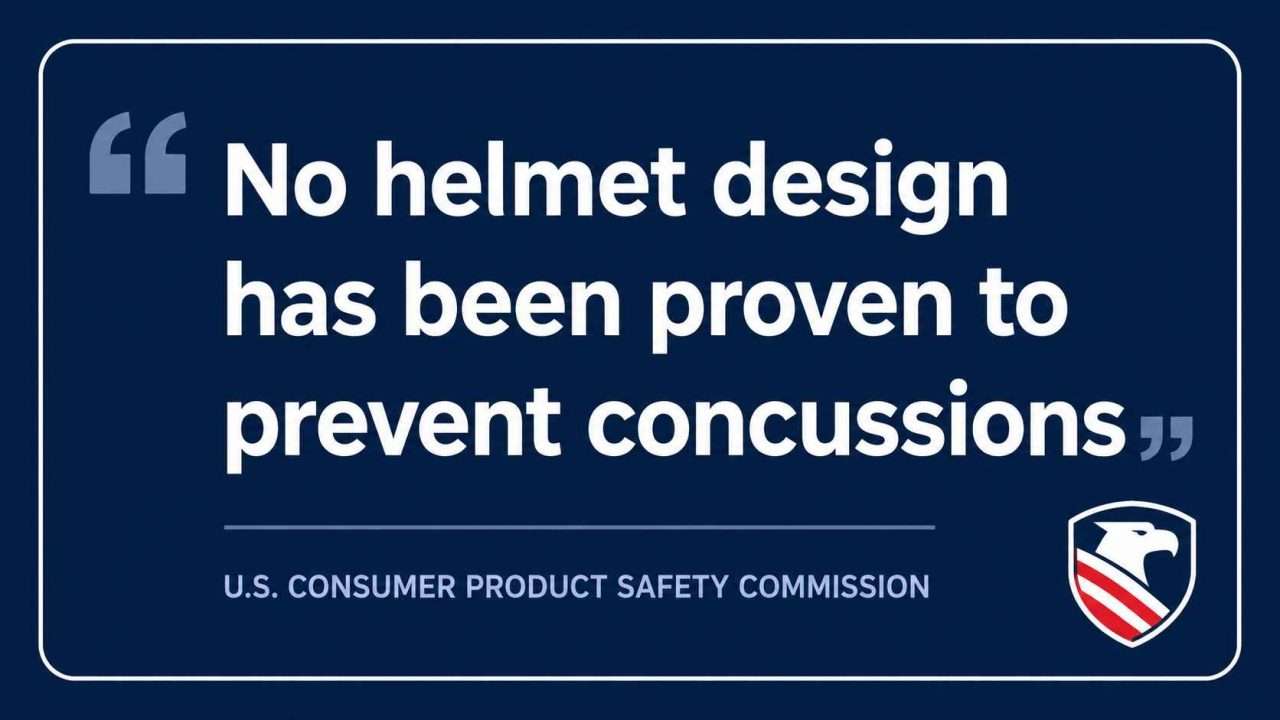
Here’s the straight answer: no helmet has been proven to prevent concussions. That’s not my opinion. That comes directly from the U.S. Consumer Product Safety Commission (CPSC), the federal agency responsible for the mandatory safety standard every bicycle helmet sold in America must meet.
In their own words: “No helmet design has been proven to prevent concussions. The materials that are used in most of today’s helmets are engineered to absorb the high impact energies that can produce skull fractures and severe brain injuries. However, these materials have not been proven to counteract the energies believed to cause concussions.”
That might feel deflating. But before you throw your hands up and decide helmets are pointless, let’s look at what’s actually going on inside your skull during a crash, because that’s where the real answer lives.
What Is a Concussion, and Why Are They So Hard to Prevent?
A concussion is a form of mild traumatic brain injury (TBI). The Centers for Disease Control and Prevention (CDC) defines it as an injury that affects how the brain works, caused by a bump, blow, or jolt to the head, or a hit to the body that causes the head and brain to move rapidly back and forth. There were over 69,000 TBI-related deaths in the United States in 2021 alone.
The problem is what happens inside your skull. Your brain sits suspended in cerebrospinal fluid, essentially floating inside a hard bone case. When your head suddenly stops moving, or violently changes direction, your brain keeps moving until it hits the interior wall of your skull. Think of it like a raw egg inside a plastic container: you can pad the outside of the container all you want, but if you shake it hard enough, the yolk is still going to slam into the shell.
That brain acceleration and deceleration is what causes the bruising, chemical changes, and potential damage to brain cells that we call a concussion. And here’s the point: a helmet sits on the outside of your skull. It can stop things from cracking your skull open, like a road or sidewalk, but it has a much harder time stopping your brain from moving inside it.
How Do Helmets Protect Your Head If Not From Concussions?
Helmets are genuinely life-saving devices. That’s not in question. The question is about what specifically they protect you from, and the answer is skull fractures and severe brain injuries caused by direct, high-energy impacts.
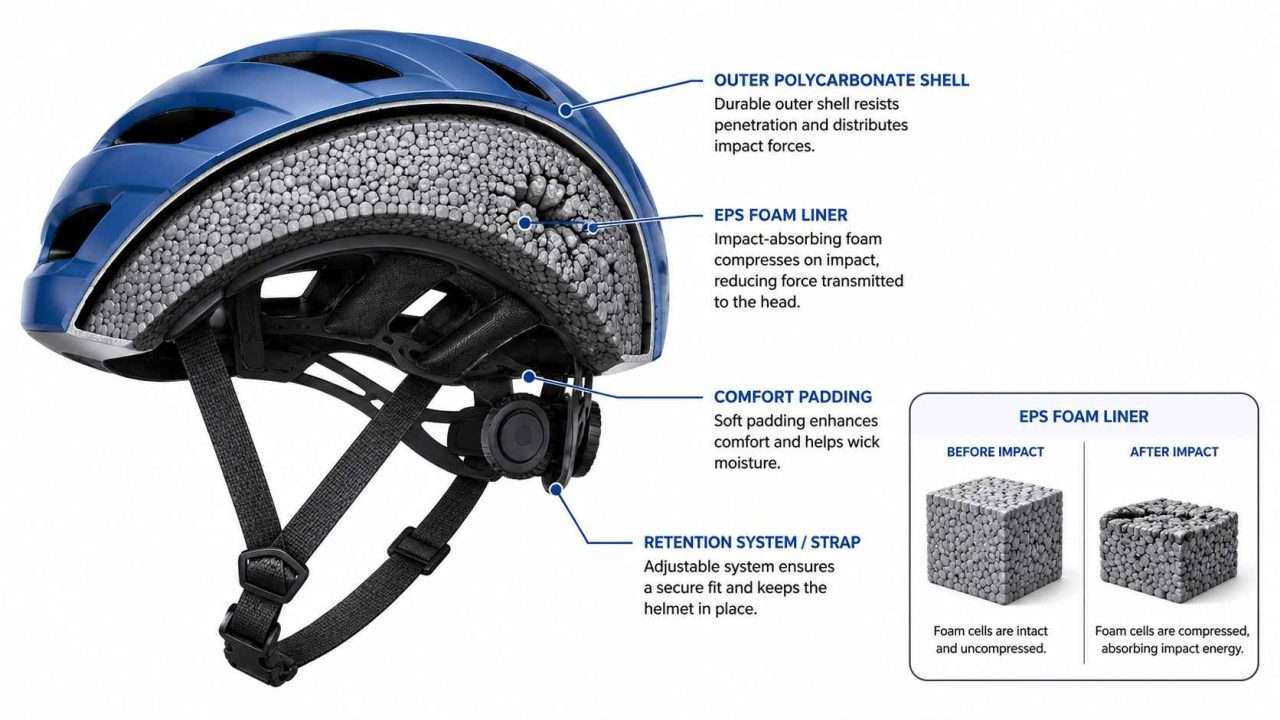
A bicycle helmet’s construction, a hard outer shell bonded to a foam liner (usually EPS, that white expanded polystyrene you’ll recognize from appliance packaging), is engineered to do one job exceptionally well: absorb the force of a direct hit. When your head hits the road, the foam liner crushes on impact, spreading the energy over a larger area and over a longer time. Instead of your skull taking the full brunt of the hit in a fraction of a second, the helmet slows the process down and spreads it out.
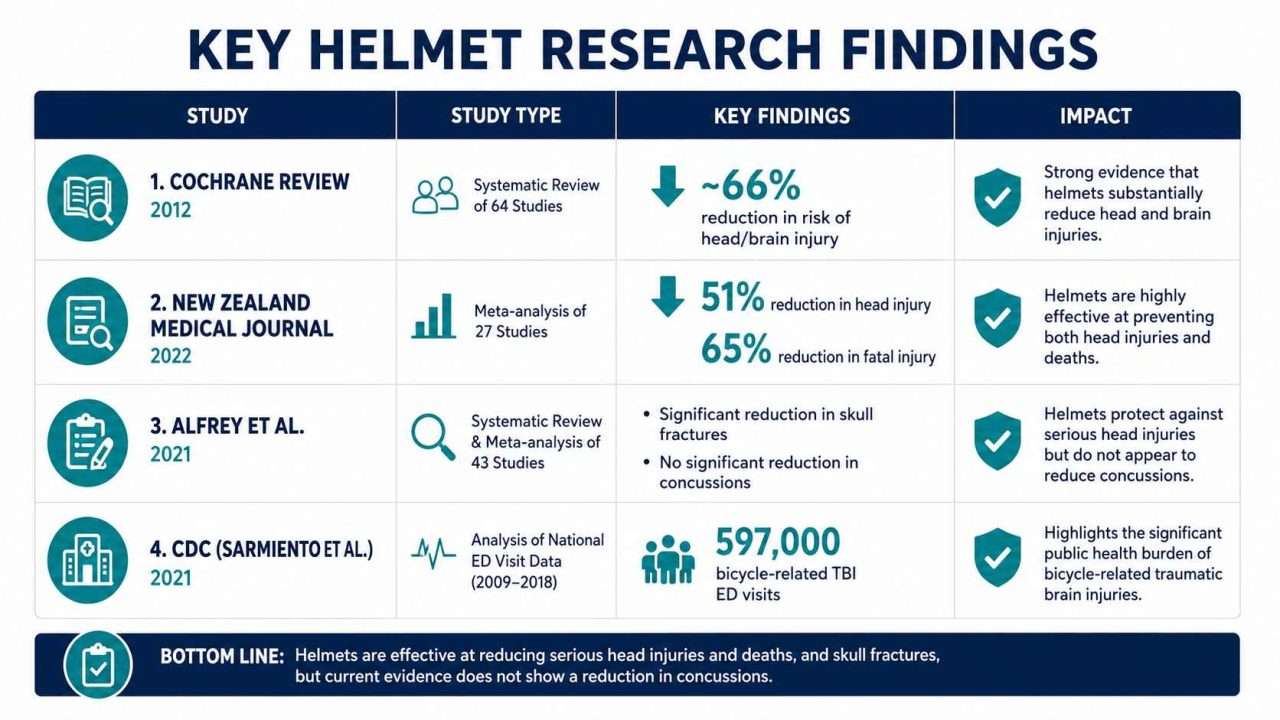
A Cochrane Review, one of the most cited analyses in helmet research, found that wearing a helmet reduced the risk of head or brain injury by approximately two-thirds or more, regardless of whether the crash involved a motor vehicle. A 2022 meta-analysis of 40 studies published in the New Zealand Medical Journal found an odds reduction of 51% for head injuries, 69% for serious head injuries, and 65% for fatal head injuries.
So helmets clearly work, and work well, for what they’re designed to do. For the broader evidence on helmet effectiveness, we’ve put together a detailed breakdown of the research.
Linear Forces vs. Rotational Forces: Why Concussions Are Different
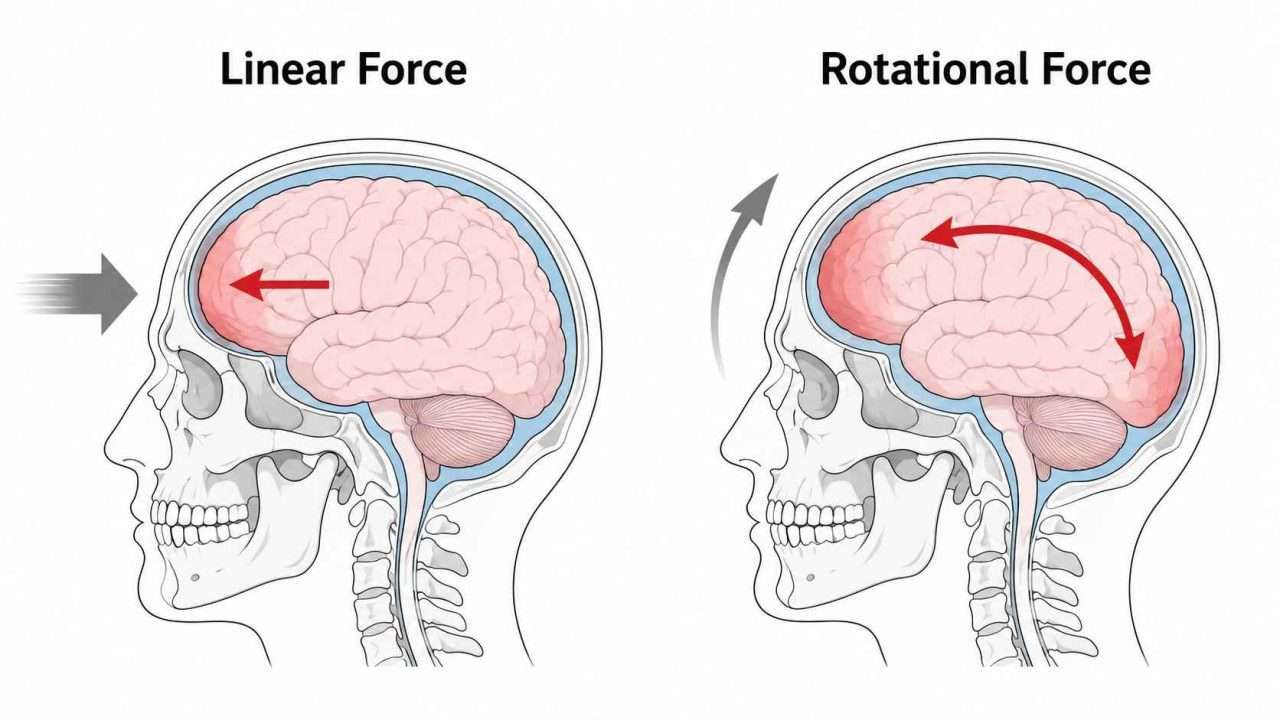
This is where the science gets interesting, and where the gap in helmet protection becomes clearer. There are two types of forces at work when your head hits something: linear (translational) forces and rotational forces.
Linear forces travel in a straight line, directly into your head. Imagine dropping a bowling ball straight down onto a table. That’s linear force. Helmet safety standards like CPSC 16 CFR Part 1203 test for this type of impact. They drop a helmeted headform onto a flat or shaped anvil and measure the peak g-forces transmitted through the helmet. The threshold under CPSC is 300g, meaning the helmet must keep the force below 300 times the acceleration of gravity. That test is designed to prevent skull fractures and severe focal brain injuries.
Rotational forces are a different animal altogether. In most real-world bicycle crashes, your head doesn’t hit the ground perfectly straight on. It strikes at an angle, which causes your head, and the brain inside it, to rotate. That rotational movement is what researchers increasingly believe is responsible for concussions. Your brain twists and shears inside your skull, stretching and damaging the nerve fibers (called axons) that connect different brain regions.
The problem? Current mandatory helmet safety standards, including CPSC and the European EN 1078, don’t test for rotational forces at all. They only measure linear acceleration. So a helmet can pass every required safety test with flying colors and still offer limited protection against the rotational movement most associated with concussions.
What Does the Research Say About Helmets and Concussions?
One of the most significant studies on this specific question was published in the Journal of Surgical Research in 2021. Researchers led by Dr. Edward Alfrey evaluated 906 bicycle crash patients over a nine-year period at a major trauma center. Their finding was striking: helmeted cyclists were significantly less likely to sustain serious head injuries, skull fractures, or facial fractures compared to unhelmeted riders. But concussion rates were comparable between the two groups.
The title of the paper puts it plainly: “Helmet Usage Reduces Serious Head Injury Without Decreasing Concussion After Bicycle Riders Crash.” That’s the reality in a single sentence.
A CDC study published in 2021 examined nearly 597,000 emergency department visits for bicycle-related traumatic brain injuries from 2009 to 2018. It noted that bicycle helmets are “not designed to prevent a concussion, which occurs after linear and rotational forces cause extreme brain movement inside the skull.” The study found a 48.7% decrease in TBI-related ED visits among children aged 0 to 17, which is encouraging, but it’s worth noting that “TBI” in that data includes concussions alongside more severe injuries where helmets are more clearly protective.
The point being: helmets are excellent at preventing the kinds of injuries that kill people. They’re less effective at preventing the kind of injury that leaves you feeling dizzy and confused on the side of the road.
Are Newer Helmet Technologies Closing the Gap?
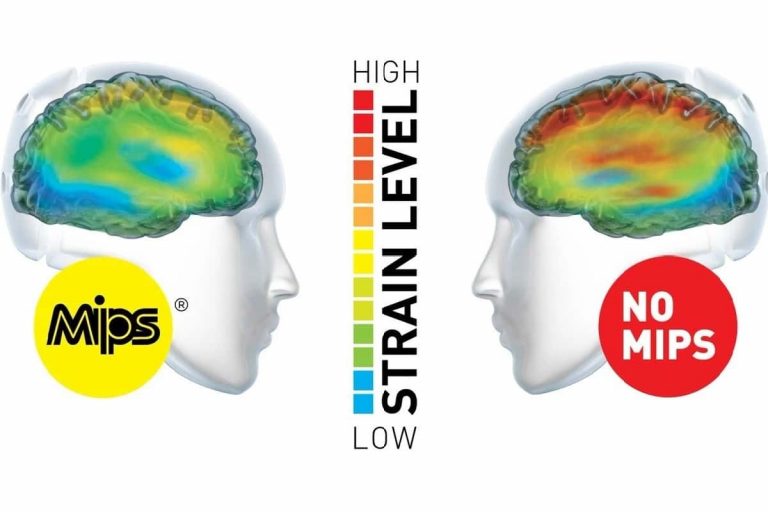
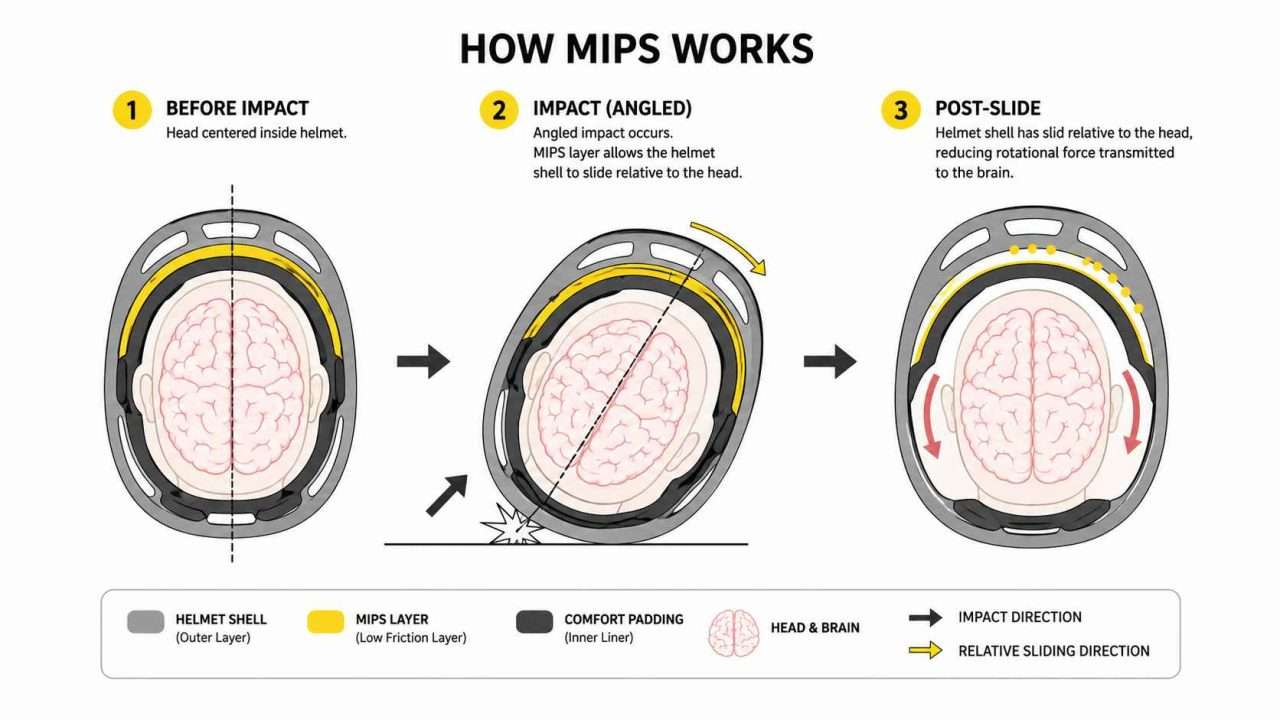
This is where things are moving, and where there’s reason for cautious optimism. Technologies like MIPS (Multi-directional Impact Protection System) are specifically designed to address rotational forces. MIPS uses a low-friction layer inside the helmet that allows the head to rotate slightly relative to the shell during an angled impact, reducing the rotational energy transferred to the brain.
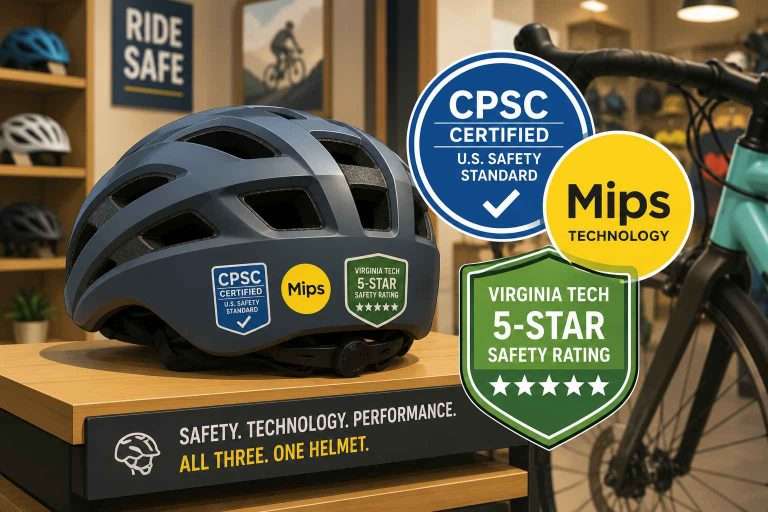
It’s important to understand that MIPS is a technology, not a safety standard or certification. A MIPS-equipped helmet still has to pass the same CPSC standard as every other helmet. The MIPS layer is an addition on top of the baseline safety requirement, designed to address forces that the mandatory standard doesn’t test for. For a closer look at these systems, take a look at rotational protection technologies addressing concussion risk.
The Virginia Tech Helmet Lab rates bicycle helmets using their STAR (Summation of Tests for the Analysis of Risk) system, which evaluates both linear and rotational acceleration across multiple impact scenarios. Their ratings show meaningful differences in concussion risk reduction, between the lowest and highest-rated helmets, and they recommend choosing a helmet rated 4 or 5 stars.
That’s a significant difference, and it tells you something important: not all helmets are equal when it comes to concussion protection, even though they may all pass the same mandatory standard. Two helmets sitting on the shelf next to each other at your local bike shop can both carry a CPSC certification label and perform very differently in real-world angled impacts.

What About Football Helmets and Youth Concussions?
You can’t talk about helmets and concussions without addressing football, because that’s where most of the public conversation has focused. Football helmets are built to handle repeated impacts in a way that bicycle helmets are not. They use thicker padding, often with multi-layer foam systems and sometimes inflatable bladders, and they’re designed for multi-impact use. Bicycle helmets, by contrast, are single-impact devices. That EPS foam liner crushes once and doesn’t bounce back. One crash and you need a new helmet.
But even with all that additional engineering, no football helmet manufacturer claims to prevent concussions either. The NFL and NFLPA conduct annual testing of football helmets and publish rankings, but those rankings measure relative concussion risk reduction, not concussion prevention. Some helmets reduce the risk more than others, but none eliminate it.
For children and youth athletes, the concussion concern is particularly important. CDC research estimates that the overall 12-month prevalence of concussion or TBI among children and adolescents is around 10%, with sport and recreation-related concussions accounting for a significant proportion. Children’s developing brains may be more vulnerable to the effects of concussion, and the CDC notes that a TBI during childhood can disrupt development and affect learning, behavior, and social participation.
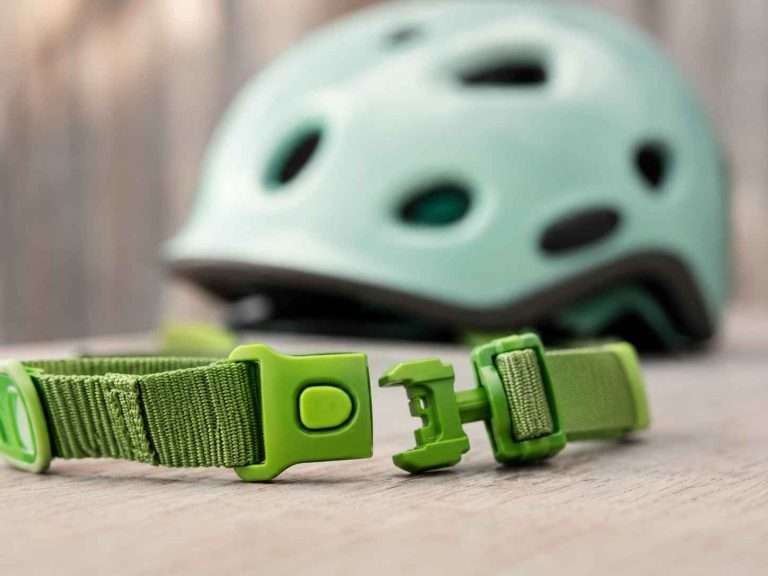
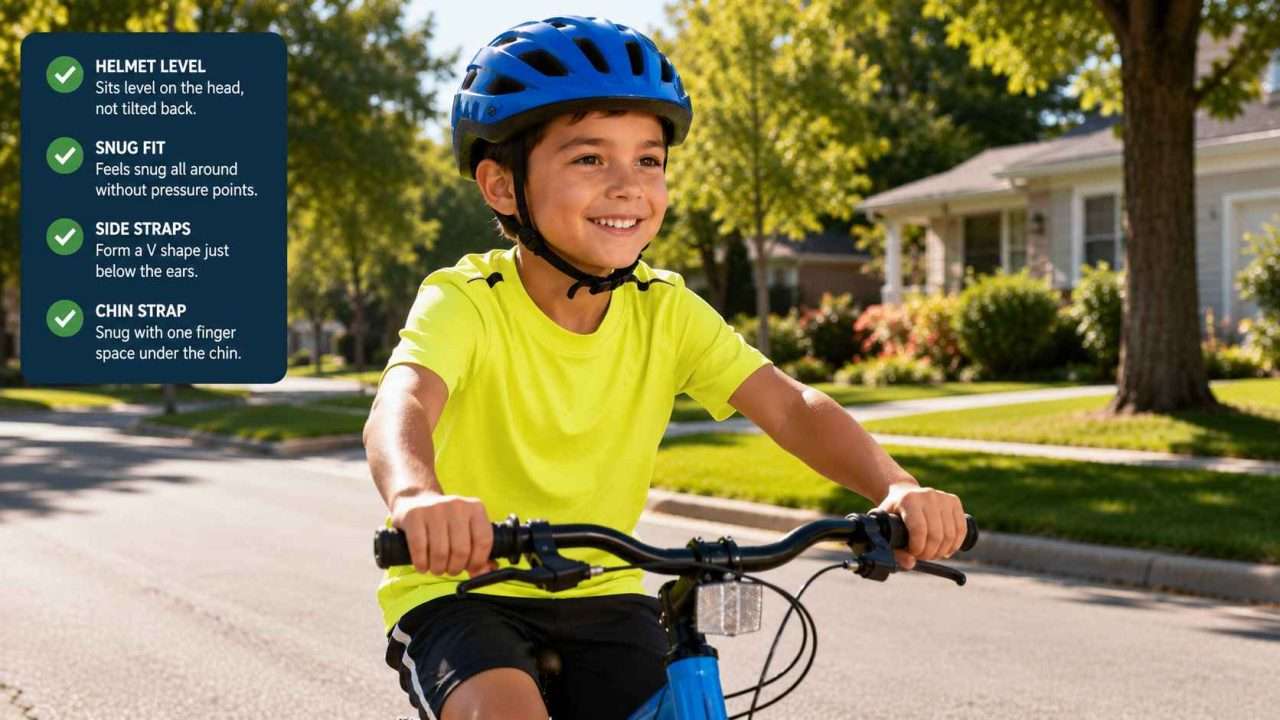
Whether it’s a bicycle, a football field, or a skateboard, the same principle applies: a helmet protects your child’s head from skull fractures and severe brain injuries. But it’s not a guaranteed shield against concussions. Make sure the helmet fits properly, sits level on the head (not tilted back), and has the chin strap fastened securely. A helmet that’s too loose or sitting at the wrong angle isn’t doing its job, regardless of what it cost or what technology it includes.
So Should You Still Wear a Helmet?
Absolutely. This is where common sense needs to step in. The fact that helmets don’t reliably prevent concussions is not an argument against wearing one. It’s an argument for understanding what a helmet does and doesn’t do.
Here’s what we know: helmets dramatically reduce the risk of skull fractures, severe brain injuries, and death from head trauma. They reduce the risk of head injury overall by roughly two-thirds. They are, without question, the single most effective piece of safety equipment you can wear on a bicycle.
What they can’t reliably do (yet) is stop the rotational brain movement that causes most concussions. That’s a limitation of current materials and design, not a failure of the concept. Newer technologies like MIPS and competing rotational protection systems are working on this problem, and the Virginia Tech STAR ratings give you a way to compare how well different helmets address it.
The CDC puts it well: be cautious of any helmet-related product that claims it can prevent all concussions. If a manufacturer or retailer tells you their helmet prevents concussions, that’s a red flag, not a selling point. Look for a helmet that meets certified safety standards, check the Virginia Tech ratings, make sure it fits, and wear it every single ride.
A concussion, as unpleasant as it is, is something most people recover from. A skull fracture or a catastrophic brain bleed is a different story entirely. Your helmet is there to make sure you survive the crash. That’s worth a lot more than nothing.
If you or your child has taken a hit to the head while cycling, even a minor one, and you’re experiencing headaches, dizziness, confusion, or just feeling “off,” go and see your doctor. Don’t try to self-diagnose a concussion. And replace that helmet, even if it looks fine on the outside.
Frequently Asked Questions
Do MIPS Helmets Prevent Concussions?
Rotational acceleration is a big deal because it’s strongly associated with concussion risk. When your head hits the ground at an angle, your brain twists inside your skull, and that twisting motion stretches and tears nerve fibers. MIPS is designed to reduce that specific type of force.
Some lab studies have found reductions in rotational acceleration in the 30–50% range under specific test conditions. The Virginia Tech Helmet Lab’s STAR ratings, which independently test helmets for concussion risk reduction, consistently show MIPS-equipped helmets among the top performers. So while MIPS won’t make you concussion-proof, it does meaningfully improve your odds.
What Helmets Prevent Concussions?
What some helmets can do is reduce your risk. Helmets with rotational impact protection systems like MIPS, WaveCel, or SPIN are designed to address the twisting forces that contribute to concussions. Virginia Tech’s STAR ratings estimate that a 5-star helmet can reduce concussion risk by more than 70 percent compared to no helmet, while a 1-star helmet may only reduce it by less than 40 percent.
The point being, the helmet you choose matters. Look for a helmet with a 4 or 5 star Virginia Tech STAR rating if concussion risk reduction is a priority for you. And make sure it fits properly, because even the best helmet won’t do its job if it’s sitting loose on your head.
How Do Helmets Keep You Safe?
The inner liner is made of EPS (Expanded Polystyrene) foam, which is that white foam you see in packaging when you buy a new appliance. When your head hits something, the EPS crushes and compresses on impact. That crushing action absorbs the energy from the hit, so your skull and brain don’t have to. The EPS foam liner is the primary impact-absorbing component in any bicycle helmet.
Some helmets add a third layer of protection with systems like MIPS, which is a thin, low-friction liner between the foam and your head. This lets the helmet rotate slightly during an angled impact, reducing the rotational forces that can cause concussions. The whole system, shell, foam, and fit, works as a unit to slow down and spread out the forces your head would otherwise take directly.
Are Helmets Useful?
The Brain Injury Association of America also notes that cycling leads to the highest number of sport and recreation-related emergency department visits for traumatic brain injuries in the United States. So the activity itself carries real risk, and a helmet is the most practical thing you can do to lower it.
Are they perfect? No. A helmet won’t save you from every possible injury, and they have limits. But common sense says that something which cuts your risk of a serious head injury by 60 percent is absolutely worth wearing.
Why Is Protecting Your Head Important?
According to the CDC, there were approximately 214,000 TBI-related hospitalizations in 2020 and over 69,000 TBI-related deaths in the U.S. in 2021. That works out to roughly 190 TBI-related deaths every single day. Even a “mild” TBI, which includes most concussions, can lead to lasting difficulties with memory, concentration, and problem-solving.
You only get one brain, and it doesn’t come with a warranty or a replacement plan. Protecting it is just common sense.
Can You Get a Concussion with a Helmet On?
One study found that 299 out of 701 cyclists diagnosed with concussions had been wearing helmets at the time of their crash. Helmets are very effective at preventing skull fractures, lacerations, and more severe brain injuries, but concussions can still happen even with a good helmet that fits properly.
That doesn’t mean helmets are pointless. It means they have limits. A helmet significantly reduces your risk of serious and fatal head injuries, and it can reduce concussion severity. But if you take a hard enough hit, a concussion is still possible. If you experience any symptoms like headache, dizziness, confusion, or nausea after a crash, go and see your doctor, even if your helmet looks fine.