Can’t Find a Ski Helmet That Fits? These 11 Are Built for Bigger Heads
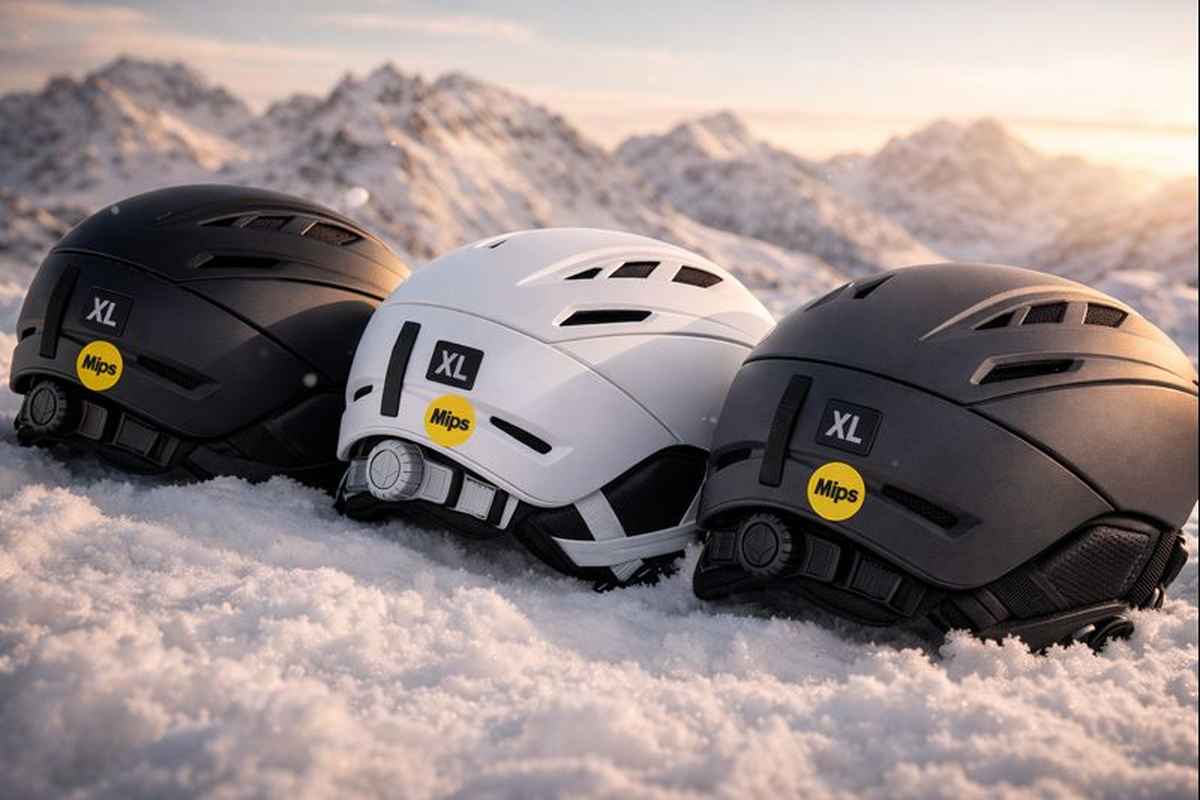
Ski helmets for big heads offer extended sizing, typically up to 65 – 67 cm. Models like the Smith Optics Level and Giro Jackson MIPS are known for large fit options, adjustable systems, and comfort. Look for helmets with dial-fit or customizable padding to ensure a secure fit.
The most important consideration when purchasing a ski helmet is that it actually fits properly. So, today we present to you eleven XXL sized ski helmets measuring between 62.5 cm to 67 cm making your search for a ski helmet that much easier.
Disclosure: As an Amazon Associate, we earn from qualifying purchases. Disclosure Statement.
Keep in mind that wearing a helmet doesn’t make you invincible. Take care out there!
Ski Helmets For Big Heads Comparison
| Model | XL Size Range | Safety Tech | Shell Type | MSRP* USD |
|---|---|---|---|---|
| Smith Optics Nexus MIPS | 63-67cm | MIPS + Complete Koroyd | Hybrid In-Mold/ABS | $365 |
| Smith Optics Summit MIPS | 63-67cm | MIPS + Zonal Koroyd | Hybrid (ABS/In-Mold) | $260 |
| Smith Optics Level MIPS | 63-67cm | MIPS + Zonal Koroyd | Hybrid (ABS/In-Mold) | $250 |
| Smith Optics Code MIPS | 63-67cm | MIPS + Zonal Koroyd | In-Mold | $240 |
| Smith Optics Altus MIPS | 63-67cm | MIPS + Zonal Koroyd | In-Mold | $215 |
| Smith Optics Method MIPS | 63-67cm | MIPS + Zonal Koroyd | In-Mold | $160 |
| Smith Optics Scout MIPS | 63-67cm | MIPS | ABS Hardshell | $120 |
| Giro Ledge MIPS | 62.5-65cm | MIPS | ABS Hardshell | 125 |
| Giro Jackson MIPS | 62.5-65cm | MIPS | Hybrid Hardshell/In-Mold | $220 |
| Giro Neo MIPS | 62.5-65cm | MIPS | In-Mold | $165 |
| Giro Ratio MIPS | 62.5-65cm | MIPS | Injection-Molded | $145 |
| * Prices shown are manufacturer’s suggested retail price (MSRP) and may differ from retailer pricing. | ||||

Before Buying Your Ski Helmet
When buying any helmet it’s essential that you purchase the right size for your head. The best way to do that is to measure your head circumference. Even if you know your head size, measure it again just to be sure!
For your convenience, we have provided our video, ‘How To Measure For A Ski Helmet‘ to help you with that.
VIDEO: How To Measure For A Ski Helmet
Related Article: How Should A Ski Helmet Fit
Best Ski Helmets For Big Heads in 2026
Smith Optics Nexus MIPS Ski Helmet
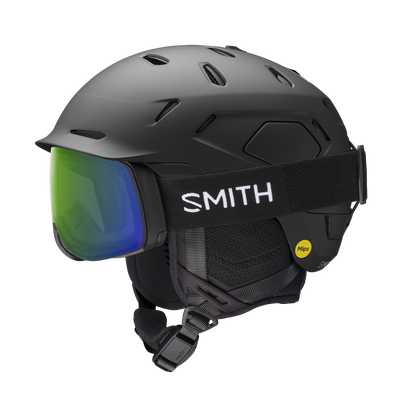
The Smith Nexus represents pinnacle resort helmet design, featuring complete Koroyd coverage throughout the entire shell for maximum impact absorption, MIPS rotational protection, and BOA 360 Fit System for micro-adjustable comfort. With 24 vents (18 adjustable), hybrid shell construction, and Fidlock magnetic buckle, it delivers all-day comfort on demanding resort days, though premium features command premium pricing.
Pros
- Complete Koroyd coverage provides maximum impact protection throughout entire helmet
- BOA 360 Fit System offers precise micro-adjustment with full 360-degree wrap
- Fidlock magnetic buckle allows convenient one-handed operation even with gloves
- Highly adjustable ventilation with dual sliders controlling 18 vents independently
- ABS exoskeleton enhances durability and side impact protection
- Premium plush padding provides superior all-day comfort
Cons
- Premium price point significantly higher than most competitors
- Heavier than backcountry-specific touring helmets
- Medium profile may not fit under slim jacket hoods
- Resort-focused design not ideal for lightweight touring use

Smith Optics Summit MIPS Ski Helmet
The Smith Summit delivers backcountry-specific lightweight design at just 14-15.8 ounces, featuring triple certification for skiing and mountaineering (ASTM F 2040, CE EN 1077, EN 12492). With 33 fixed vents for maximum airflow, collapsible BOA fit system, and integrated headlamp routing, it excels on big touring days, though minimalist design sacrifices ear pad warmth and goggle retention found on resort helmets.
Pros
- Ultralight weight (14-15.8oz) reduces fatigue on long touring days
- Triple certification allows use for skiing, mountaineering, and climbing
- 33 vents provide exceptional airflow for high-output activities
- Collapsible BOA system folds flat for easy pack storage
- Pack attachment bungees allow convenient helmet carrying
- Integrated headlamp strap routing keeps light securely positioned
Cons
- Fixed vents can’t close for warmth retention on cold days
- No goggle retention strap included
- Minimalist padding provides less warmth than resort helmets
- Included beanie necessary for ear warmth in cold conditions
Related Article: Do Beginner Skiers Really Need A Helmet
Smith Optics Level MIPS Ski Helmet
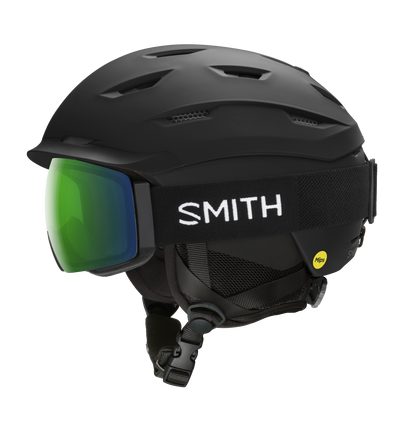
The Smith Level delivers resort-focused comfort with plush full-circumference padding, Zonal Koroyd impact protection, and MIPS anti-rotation technology. With 20 adjustable vents controlled by Regulator climate system and VaporFit 270-degree dial, it provides all-day warmth and comfort for dedicated resort skiers, though hybrid construction adds weight compared to lightweight touring alternatives.
Pros
- Exceptional comfort with thick plush padding wrapping entire head circumference
- Regulator climate control provides easy one-handed vent adjustment
- Zonal Koroyd offers enhanced impact protection at critical zones
- VaporFit system provides 270-degree adjustment with micro-tuning capability
- Removable Snapfit ear pads allow temperature customization
- Excellent warmth retention with vents closed for cold-weather skiing
Cons
- Heavier than premium models like Smith Vantage due to hybrid construction
- Standard buckle less convenient than magnetic Fidlock alternatives
- Too warm and heavy for backcountry touring use
- Thick padding can cause overheating on warm spring days with vents open
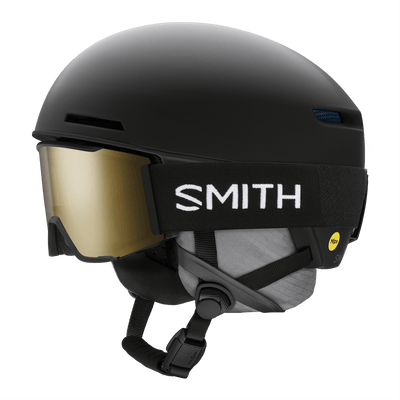
Smith Optics Code MIPS Ski Helmet
The Smith Code combines skate-style aesthetics with legitimate protection, featuring MIPS rotational safety, Zonal Koroyd energy absorption, and BOA 360 micro-adjustable fit in sleek low-profile design. With warm knit liner and Fidlock magnetic buckle, it excels for park riders and style-conscious skiers, though six fixed vents limit temperature control compared to adjustable-vent alternatives.
Pros
- Clean skate-style minimalist design stands out visually on slopes
- BOA 360 fit system provides precise micro-adjustment around entire head
- Fidlock magnetic buckle allows convenient one-handed operation with gloves
- Lightweight in-mold construction reduces fatigue during all-day sessions
- Warm knit liner provides beanie-like comfort and warmth
- Low-profile appearance integrates seamlessly with hood layering
Cons
- Only six fixed vents severely limit temperature control options
- May run hot on warmer spring days or during hiking
- Less versatile than multi-vent designs for variable conditions
- Style-focused design sacrifices some all-mountain performance features
Related Article: Best Ski Helmets With Visor
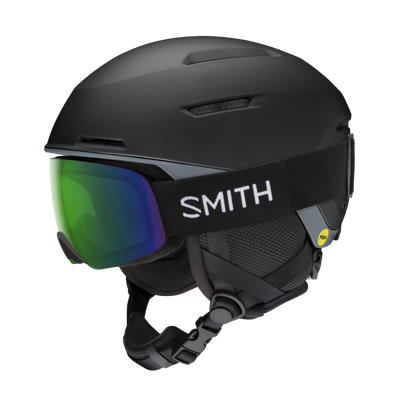
Smith Optics Altus MIPS Ski Helmet
The Smith Altus provides lightweight in-mold comfort at accessible price point, combining MIPS protection, Zonal Koroyd absorption, and 10 vents with Regulator climate control in streamlined package weighing just 16 ounces. With VaporFit dial adjustment and removable audio-compatible ear pads, it delivers solid performance for resort and occasional touring, though lighter construction trades some durability for reduced weight.
Pros
- Lightweight 16oz design minimizes fatigue for all-day comfort
- Adjustable Regulator ventilation provides easy climate control
- VaporFit dial system offers 270-degree micro-adjustment capability
- MIPS and Zonal Koroyd deliver premium safety at mid-range price
- Versatile for both resort skiing and occasional alpine touring
- XT2 antimicrobial liner helps control odor during extended use
Cons
- In-mold construction more vulnerable to cosmetic damage than hardshell
- Narrower fit may not accommodate rounder head shapes comfortably
- Less durable than hybrid or hardshell alternatives for aggressive use
- Limited warmth compared to thicker-padded resort-specific helmets
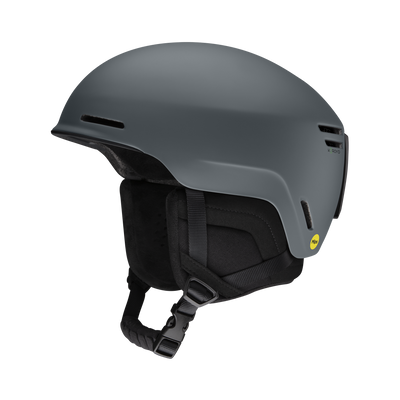
Smith Optics Method MIPS Ski Helmet
The Smith Method achieves featherlight 14-ounce weight through streamlined in-mold design while maintaining MIPS protection and Zonal Koroyd absorption. With self-adjusting lifestyle fit, fleece ear pads, and eight fixed vents, it provides comfortable low-profile protection for resort riders, though lack of dial adjustment and fixed ventilation limit customization compared to feature-rich alternatives.
Pros
- Ultra-lightweight 14oz design nearly disappears during wear
- Self-adjusting lifestyle fit automatically conforms to head shape
- Low-profile silhouette works seamlessly under jacket hoods
- Fleece ear pads provide warmth while remaining removable for customization
- MIPS and Zonal Koroyd deliver legitimate protection at budget-friendly price
- Minimalist aesthetic appeals to style-conscious riders
Cons
- No dial adjustment system limits micro-tuning capability
- Fixed vents can’t close for warmth on extremely cold days
- Self-adjusting fit less secure than BOA or dial systems
- Minimal padding provides less warmth than resort-focused alternatives
Related Article: How Long Do Ski Helmets Last?
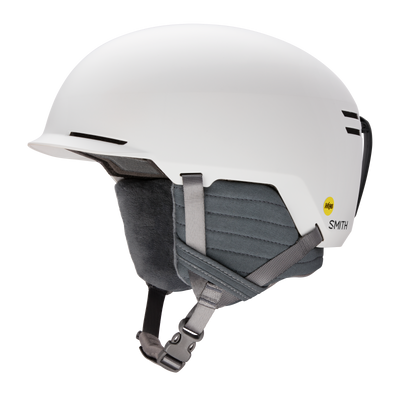
Smith Optics Scout MIPS Ski Helmet
The Smith Scout delivers bombproof ABS hardshell durability with MIPS protection and all-season certification (ASTM F 2040, CPSC, CE EN1078) allowing year-round use for skiing, biking, and skating. With eight fixed vents, self-adjusting fit, and removable ear pads, it provides versatile protection for park riders and budget-conscious buyers, though hardshell construction adds weight compared to in-mold alternatives.
Pros
- Bombshell ABS construction provides exceptional durability and dent resistance
- All-season certification allows year-round use for skiing, biking, and skating
- MIPS protection delivers rotational impact safety at budget-friendly price
- Hardshell design withstands park abuse and aggressive riding
- Removable ear pads allow seasonal customization
- Self-adjusting lifestyle fit accommodates wide range of head sizes
Cons
- Heavier hardshell construction increases fatigue versus in-mold designs
- Fixed vents limit temperature control in variable conditions
- No dial adjustment for precise micro-tuning
- Bulkier profile less streamlined than lightweight alternatives

Giro Ledge MIPS Ski Helmet
The Giro Ledge delivers exceptional value with durable hardshell construction, MIPS brain protection, and minimalist skate-style design at entry-level price point. With Stack Vent anti-fog technology, removable Auto Loc 2 fit system, and eight fixed vents, it provides solid park and all-mountain protection, though basic fit adjustment and fixed ventilation lack flexibility of premium models.
Pros
- Exceptional value combines MIPS protection with budget-friendly pricing
- Hardshell construction provides excellent durability for park abuse
- Clean skate-style aesthetic appeals to freestyle riders
- Stack Vent technology effectively reduces goggle fogging
- Removable Auto Loc 2 fit system and ear pads allow customization
- Compatible with aftermarket Giro audio systems
Cons
- Auto Loc 2 fit system offers limited adjustability versus dial systems
- Fixed vents can’t close for warmth retention
- Heavier hardshell construction versus in-mold alternatives
- Basic feature set lacks premium amenities of higher-priced models
Related Article: Is MIPS Worth It?

Giro Jackson MIPS Ski Helmet
The Giro Jackson combines modern freeride styling with Passive Aggressive Venting system inspired by automotive aerodynamics, managing airflow automatically whether riding, hiking, or stationary. With In-Mold Hardbody lower wrap construction, MIPS protection, and In Form 2 dial fit providing 6cm adjustment, it delivers versatile all-mountain performance, though narrower Giro fit may not accommodate wider head shapes.
Pros
- Passive Aggressive Venting automatically manages temperature without manual adjustment
- In Form 2 Fit System provides 6cm dial adjustment for precise customization
- Hybrid construction balances durability with lightweight comfort
- Stack Vent technology effectively prevents goggle fogging
- Polartec Power Grid padding offers superior moisture management
- Clean freeride aesthetic with subtle brim and modern lines
Cons
- Giro’s narrower fit may not accommodate rounder head shapes
- Passive venting can’t be manually closed for maximum warmth
- Hybrid construction heavier than full in-mold designs
- Mid-range price point competes with premium Smith alternatives
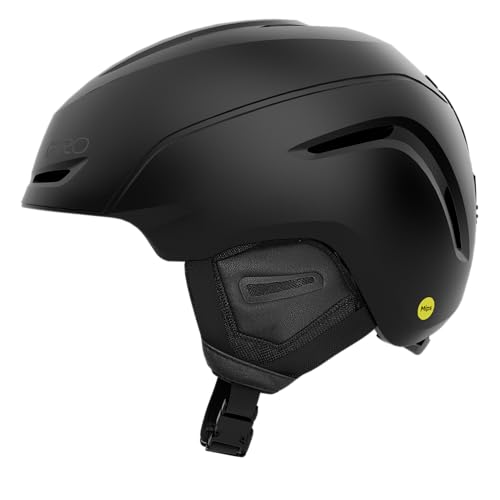
Giro Neo MIPS Ski Helmet
The Giro Neo establishes baseline for Giro’s helmet lineup with lightweight in-mold construction, MIPS protection, and Thermostat Control adjustable venting managed via simple low-profile button. With In Form Fit dial offering 6cm adjustment, Stack Vent fog prevention, and Hardbody lower wrap, it provides solid all-mountain value, though basic ear pad design sacrifices warmth compared to premium alternatives.
Pros
- Lightweight 14.5-15.7oz design comfortable for all-day wear
- Thermostat Control provides easy one-button vent adjustment
- In Form Fit System offers 6cm micro-adjustable dial tuning
- Stack Vent technology effectively prevents goggle fogging
- MIPS protection at accessible mid-range price point
- Vertical Tuning feature accommodates various goggle shapes
Cons
- Basic ear pad design provides less warmth than premium models
- Ear pads not removable for summer customization
- In-mold construction less durable than hardshell alternatives
- Foundation-level features lack premium amenities of higher-tier helmets
Related Article: Do You Have To Wear A Helmet Skiing?

Giro Ratio MIPS Ski Helmet
The Giro Ratio delivers impressive value combining MIPS protection, six adjustable Thermostat Control vents, and In Form dial fit at price point substantially below premium competitors. With injection-molded hardshell construction, Stack Vent fog prevention, and removable ear pads, it provides complete feature set for budget-conscious skiers, though heavier construction and bulkier profile trade lightness for affordability.
Pros
- Outstanding value delivers premium features at budget price point
- Six adjustable Thermostat vents rare at this price level
- In Form Fit provides 6cm dial adjustment with enhanced stability
- MIPS protection ensures rotational impact safety
- Hardshell construction offers excellent durability for long-term use
- Compatible with aftermarket audio systems
Cons
- Injection-molded construction significantly heavier than in-mold alternatives
- Bulkier profile more noticeable during wear
- Weight limits suitability for backcountry touring
- Less streamlined aesthetic compared to lightweight designs
Features to Look for When Purchasing a Ski Helmet
| Feature | Description |
|---|---|
| Fit | Ensure the helmet fits snugly but comfortably on your head. |
| Protection | Look for helmets with adequate impact protection, such as multi-impact foam or MIPS technology. |
| Ventilation | Consider helmets with adjustable ventilation to regulate temperature and prevent overheating. |
| Weight | Choose a lightweight helmet for enhanced comfort during long days on the slopes. |
| Visor | Some helmets come with built-in visors or compatible goggles for added eye protection. |
| Audio Compatibility | Look for helmets with audio compatibility to easily integrate headphones or communication devices. |
| Adjustability | Consider helmets with adjustable sizing systems for a customizable fit. |
| Style | Choose a helmet with a style and color that matches your preferences and personality. |
Ski Helmet Certification
The purpose of ski helmet certification is to ensure that the helmet on your head will do what you expect it to do if/when you fall and hit a solid object.
In the United States, there is no federally mandated certification for snow helmets, however, there is a voluntary standard provided by the American Society for Testing and Materials (ASTM). If you are purchasing a new ski or snowboard helmet in the U.S., it makes good sense to choose a helmet that carries ASTM F2040 certification.
In Europe, you should be looking for CE EN 1077B certification as a minimum. EN 1077B is the standard that most ski/snowboard helmets will be tested to. There is also EN 1077A which provides more coverage around the ears and side of the head, and also undergoes more stringent testing. However, most snow helmets on sale in Europe will carry EN 1077B certification.
Frequently Asked Questions
What helmet size do I need if my head measures 65-67cm?
How much should I expect to spend on a ski helmet for a big head?
Mid-range helmets ($180-250) like Smith Level, Altus, and Code add premium features including Koroyd protection, BOA fit systems, and adjustable ventilation that justify investment for regular 20-30 day skiers. Top-tier options like Smith Nexus ($325-365) deliver maximum protection and refinement with complete Koroyd coverage and Fidlock buckles—best reserved for dedicated 30+ day per season riders who demand ultimate performance and comfort.
Do I need a BOA fit system for a large helmet, or is a basic fit system sufficient?
BOA’s even tension distribution becomes especially valuable for big heads where achieving that perfect balance between snug security and all-day comfort requires nuanced adjustment. Budget alternatives like Auto Loc 2 work adequately but offer less precise customization.
Are Smith helmets better for big heads than Giro helmets?
What’s the difference between MIPS and Koroyd protection technologies?
Koroyd employs honeycomb-structured welded tubes that crumple progressively on direct impact, absorbing energy more efficiently than traditional foam while simultaneously providing ventilation channels. Smith’s premium helmets like the Nexus combine both technologies for comprehensive protection against both rotational and direct impacts.
Are hardshell or in-mold helmets more durable for aggressive skiing?
Hybrid construction (Smith Nexus, Level) provides the best compromise—hardshell durability on high-impact top and side zones combined with in-mold lightness elsewhere. For park rats and aggressive riders, choose hardshell; for weight-conscious all-mountain skiers, choose in-mold.
Can I use my ski helmet for summer activities like biking or skateboarding?
Most ski helmets including the Nexus, Level, and all Giro models in this guide carry only snow sport certifications (ASTM F 2040, CE EN 1077) and must not be used for cycling or skating due to different impact standard requirements. Always check certification stickers inside your helmet—using a snow-only helmet for biking provides inadequate protection and potentially dangerous false security.
I hope we have covered the subject of ‘ski helmets for big heads’ to your satisfaction. If you enjoyed this article, take a look at the related reads below for some more interesting reads!
More Helmets for BIG Heads
Related Reads:
- Snowboard Helmets With Bluetooth Audio
- Ski Helmets With MIPS
- Do Beginner Skiers Really Need A Helmet?
- How Long Do Ski Helmets Last?
- Do You Have To Wear A Helmet Skiing?
- Ski Helmets Vs Bike Helmets
- Can You Use A Ski Helmet For Climbing?
- How To Know Your Helmet Size
- Is MIPS Worth It?
- What Is The Safest Ski Helmet?
If you liked this post, why not share it with your friends.
